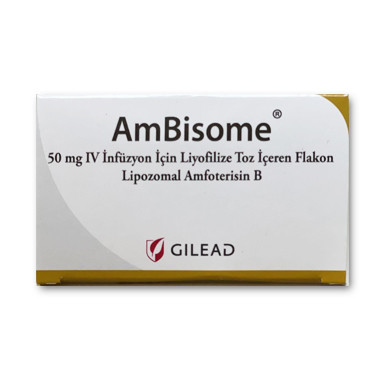
安必素(Ambisome)安必松的禁忌和注意事项是什么
病情描述:安必素(Ambisome)安必松的禁忌和注意事项是什么
展开2025-09-21 12:10:29
1回答
1185浏览
好问题
更多功能

病情描述:安必素(Ambisome)安必松的禁忌和注意事项是什么
展开2025-09-21 12:10:29
1回答
1185浏览
好问题


黄斌
问药网药师
安必素(Ambisome)安必松的禁忌和注意事项是什么,安必松(Amphotericin)的注意事项:1.如果发生严重的变态反应或过敏/类过敏反应,应立即中止输注。2.在服用含两性霉素B的产品期间,可能会发生其他与输液有关的严重反应。3.如果临床上出现肾功能显著下降或其他参数恶化,则应考虑减少剂量,中断治疗或中止治疗。4.在白细胞输注期间或之后不久,服用两性霉素B会可能出现急性肺毒性。5.对于糖尿病患者而言,每个小瓶中的AmBisome均含约900mg蔗糖。治疗糖尿病患者时应考虑到这一点。
Title: Precautions and Contraindications for Ambisome (Amphotericin B)
Introduction:
In the treatment of fungal infections, Ambisome (generic name: Amphotericin B) is an antifungal medication often prescribed by healthcare professionals. While it is an effective treatment option, it is essential to be aware of the precautions and contraindications associated with Ambisome. This article aims to provide accurate information on the topic, offering guidance to individuals and healthcare providers in ensuring safe and appropriate use of Ambisome.
1. Precautions for Ambisome Use:
When using Ambisome to treat fungal infections, several precautions should be taken into consideration:
a. Kidney Function: Ambisome may cause a decline in kidney function. It is crucial to monitor renal function regularly during treatment. Patients with pre-existing kidney problems or those at risk of kidney damage require careful evaluation to determine the suitability and dosage of Ambisome.
b. Electrolyte Imbalance: Ambisome can cause electrolyte imbalances, particularly low levels of potassium and magnesium in the blood. Regular monitoring of electrolyte levels and appropriate supplementation, if necessary, are vital to prevent complications.
c. Infusion-Related Reactions: Ambisome is administered through intravenous infusion, which can occasionally lead to infusion-related reactions. These reactions may include fever, chills, headache, nausea, and vomiting. Healthcare providers should closely monitor patients during infusion and promptly address any adverse reactions that may occur.
2. Contraindications for Ambisome Use:
While Ambisome is effective for most individuals with fungal infections, there are specific contraindications that should be considered:
a. Hypersensitivity: Ambisome should not be used in individuals who have a known hypersensitivity or previous allergic reactions to amphotericin B or any of its components. Prior to initiating treatment, patients should be evaluated for any potential allergies or hypersensitivity.
b. Severe Kidney Dysfunction: Individuals with severe kidney dysfunction, particularly those on dialysis or with a glomerular filtration rate (GFR) less than 25 mL/min, may have an increased risk of kidney damage when using Ambisome. Alternative treatment options should be explored in these cases.
c. Pregnancy and Lactation: The safety of Ambisome during pregnancy or lactation has not been established. It is advised to avoid using Ambisome during these periods unless the potential benefits outweigh the risks. Consultation with a healthcare provider is crucial for evaluating the individual situation.
3. Drug Interactions:
Ambisome can potentially interact with other medications, leading to adverse effects or reduced efficacy. It is important to inform healthcare providers about all the medications, including over-the-counter drugs and supplements, being taken concurrently. They can then evaluate potential drug interactions and adjust dosages or recommend alternative treatments if necessary.
4. Special Populations:
Special care should be taken when prescribing Ambisome to certain populations, such as the elderly or individuals with pre-existing liver diseases. Lower doses or careful monitoring may be required for these individuals to minimize the risk of adverse effects.
Conclusion:
Ambisome is a valuable medication for treating fungal infections. However, precautions and contraindications associated with its use should be taken into consideration to ensure patient safety. Close monitoring of kidney function, electrolyte levels, and infusion-related reactions is necessary during treatment. A thorough evaluation of contraindications, drug interactions, and special populations will aid healthcare providers in making informed decisions regarding Ambisome therapy. Ultimately, the appropriate and safe use of Ambisome will contribute to successful treatment outcomes for patients with fungal infections.
功能主治:一线抗真菌药物,治疗深部真菌感染有效率高
用法用量:用法用量 静脉用药:开始静脉滴注时先试以1~5mg或按体重一次0.02~0.1mg/kg给药,以后根据患者耐受情况每日或隔日增加5mg,当增至一次 0.6~0.7mg/kg时即可暂停增加剂量,此为一般治疗量。 成人最高一日剂量不超过1mg/kg,每日或隔1~2日给药1次,累积总量 1.5~3.0g,疗程1~3个月,也可长至6个月,视病情及疾病种类而定。 对敏感真菌感染宜采用较小剂量,即成人一次20~30mg,疗程仍宜长。 鞘内给药:首次0.05~0.1mg,以后渐增至每次0.5mg,最大量一次不超过1mg,每周给药2~3次,总量15mg左右。 鞘内给药时宜与小剂量地塞米松或琥珀酸氢化可的松同时给与,并需用脑脊液反复稀释药液,边稀释边缓慢注入以减少不良反应。 局部用药:气溶吸入时成人每次5~10mg,用灭菌注射用水溶解成0.2%~0.3%溶液应用;超声雾化吸入时本品浓度为0.01%~0.02%,每日吸入2~3次,每次吸入5~10ml;持续膀胱冲洗时每日以两性霉素B 5mg加入1000ml灭菌注射用水中,按每小时注入40ml速度进行冲洗,共用5~10日。 静脉滴注或鞘内给药时,均先以灭菌注射用水10ml配制本品50mg,或5ml配制25mg,然后用5%葡萄糖注射液稀释(不可用氯化钠注射液,因可产生沉淀),滴注液的药物浓度不超过10mg/100ml,避光缓慢静滴,每次滴注时间需6小时以上,稀释用葡萄糖注射液的pH值应在4.2以上。 鞘内注射时可取5mg/ml浓度的药液1ml,加5%葡萄糖注射液19ml稀释,使最终浓度成250μg/ml。 注射时取所需药液量以脑脊液5~30ml反复稀释,并缓慢注入。 鞘内注射液的药物浓度不可高于25mg/100ml,pH值应在4.2以上。