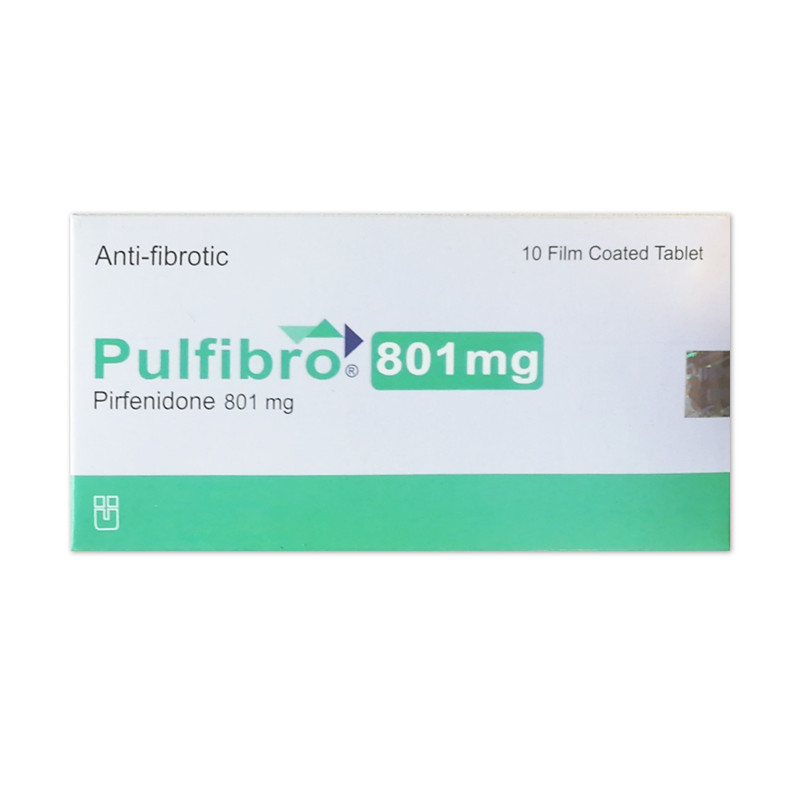
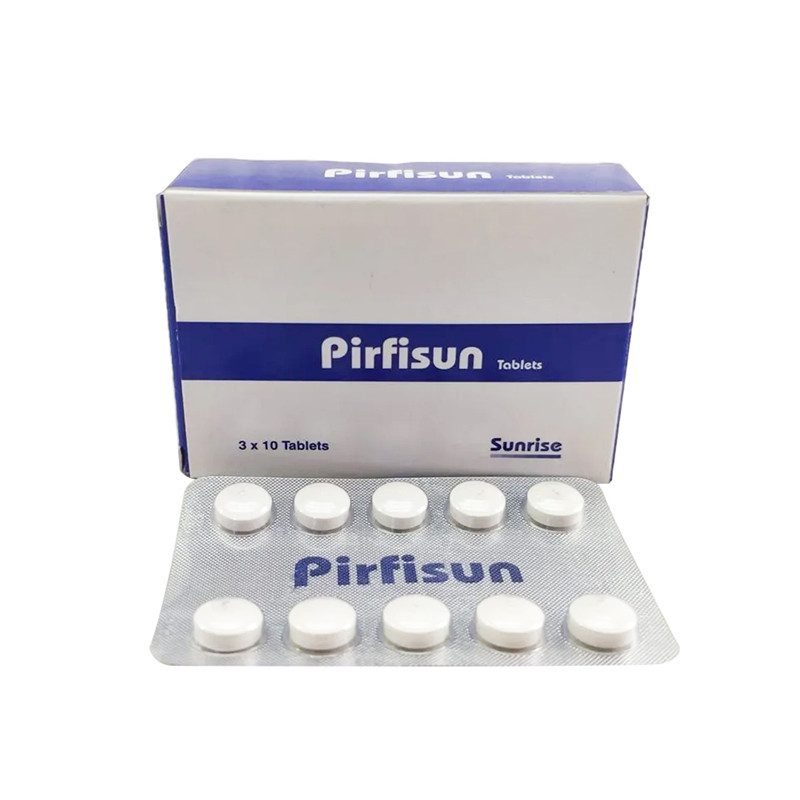
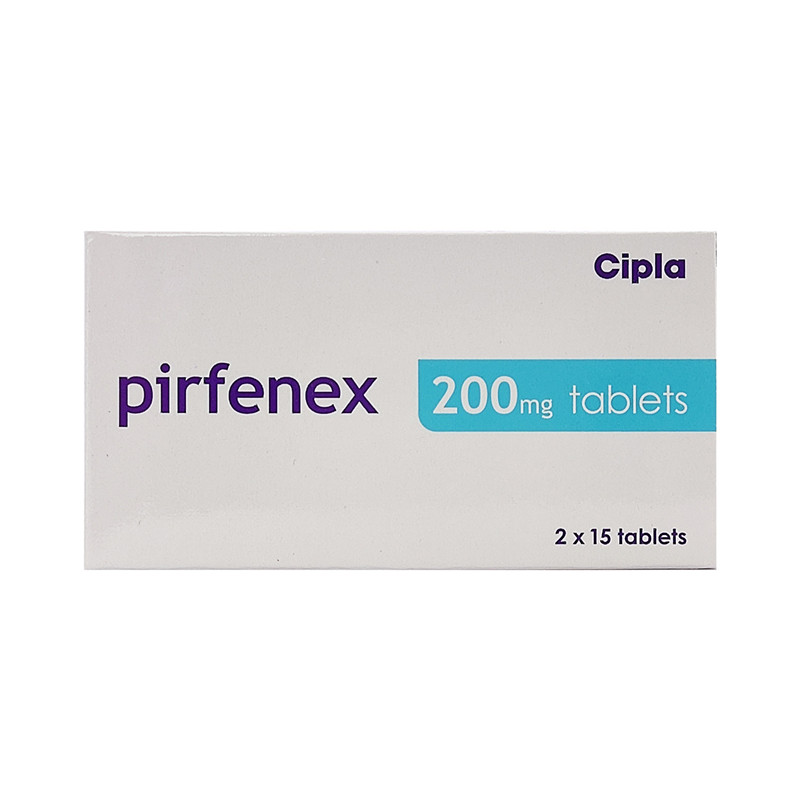
Pirfenidone(吡非尼酮)的效果如何
病情描述:Pirfenidone(吡非尼酮)的效果如何
展开2026-09-10 07:52:34
1回答
1512浏览
好问题
更多功能

病情描述:Pirfenidone(吡非尼酮)的效果如何
展开2026-09-10 07:52:34
1回答
1512浏览
好问题


李娟
问药网药师
Pirfenidone(吡非尼酮)的效果如何,吡非尼酮(Pirfenidone)是一种用于治疗特发性肺纤维化(IPF)的药物。它是一种抗纤维化剂,可以抑制肺组织中的纤维化过程。吡非尼酮的主要疗效包括:1.抗纤维化作用;2.可以减缓特发性肺纤维化的进展速度。3.吡非尼酮(Pirfenidone)延长特发性肺纤维化患者的生存期。该药品在相关疾病治疗中表现出色、效果非常好、安全性高,为患者提供了新的机会。
Pirfenidone Effectiveness in Idiopathic Pulmonary Fibrosis
Pirfenidone, a medication used in the treatment of idiopathic pulmonary fibrosis (IPF), has been found to be effective in slowing down the progression of this chronic and debilitating lung disease. This drug has demonstrated its ability to reduce the decline in lung function and improve the quality of life for many patients diagnosed with IPF. Given the impact of IPF on individuals' ability to breathe and carry out daily activities, understanding the effectiveness of pirfenidone is crucial in managing this condition. This article aims to explore the benefits and effectiveness of pirfenidone in the treatment of idiopathic pulmonary fibrosis.
1. Understanding Idiopathic Pulmonary Fibrosis
Idiopathic pulmonary fibrosis is a progressive and irreversible lung disease characterized by the formation of scar tissue within the lungs. This scarring, also known as fibrosis, leads to the stiffening of the lungs, which hinders their ability to expand and contract effectively during breathing. As a result, individuals with IPF experience persistent coughing, shortness of breath, and reduced exercise tolerance. The exact cause of IPF is unknown, and the progression of the disease varies from person to person, often leading to significant challenges in its management.
2. Mechanism of Action of Pirfenidone
Pirfenidone works through multiple pathways to exert its effects on pulmonary fibrosis. It has been shown to possess anti-fibrotic, anti-inflammatory, and antioxidant properties, which collectively target the processes involved in the progression of fibrosis within the lungs. By inhibiting the production of certain growth factors and cytokines that promote fibrosis, pirfenidone helps to mitigate the excessive scarring and stiffening of lung tissue. Additionally, it reduces the overall inflammatory response in the lungs and counteracts oxidative stress, thus slowing down the advancement of the disease.
3. Clinical Evidence Supporting the Efficacy of Pirfenidone
Numerous clinical trials and real-world studies have provided compelling evidence regarding the effectiveness of pirfenidone in the management of IPF. These studies have consistently demonstrated that pirfenidone can slow the decline in forced vital capacity (FVC), which reflects the volume of air a person can forcibly exhale after taking a deep breath. By preserving lung function, pirfenidone helps to maintain respiratory capacity and delay the progression of respiratory failure in individuals with IPF. Moreover, it has been associated with a reduction in the rate of disease exacerbations and hospitalizations, leading to improved overall outcomes for patients.
4. Impact on Quality of Life
In addition to its physiological benefits, pirfenidone has also shown positive effects on the quality of life for individuals with IPF. Patients receiving pirfenidone treatment have reported reduced breathlessness, improved exercise tolerance, and a decreased impact of the disease on their daily activities. These improvements contribute to a better overall quality of life, allowing patients to engage in meaningful social interactions, hobbies, and work to a greater extent than before. The ability of pirfenidone to alleviate symptoms and enhance daily functioning underscores its importance in the comprehensive care of individuals living with IPF.
In conclusion, pirfenidone has emerged as a valuable therapeutic option in the management of idiopathic pulmonary fibrosis. Its multifaceted mechanism of action, supported by robust clinical evidence, underscores its effectiveness in slowing disease progression and improving outcomes for patients with IPF. By understanding the impact of pirfenidone on lung function and quality of life, healthcare professionals can more effectively integrate this medication into the holistic care of individuals affected by this challenging lung disease.
功能主治:用于特发性肺纤维化,死亡风险相对降低
用法用量:用法用量 通常情况下,成人吡非尼酮的初始剂量为每次200mg,每日三次(每日600mg),饭后口服,每次剂量递增200mg,同时观察患者状态,直至每次600mg(每日1800mg)。 另外,根据症状适当增减。