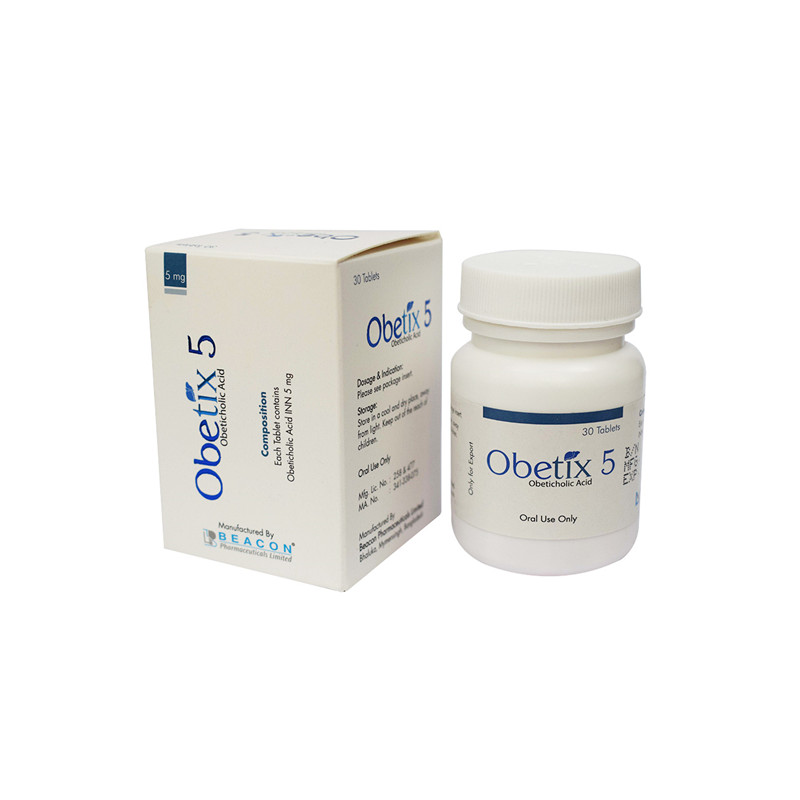
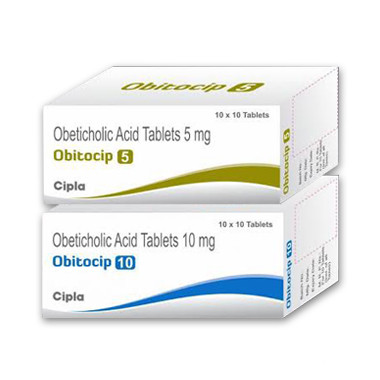
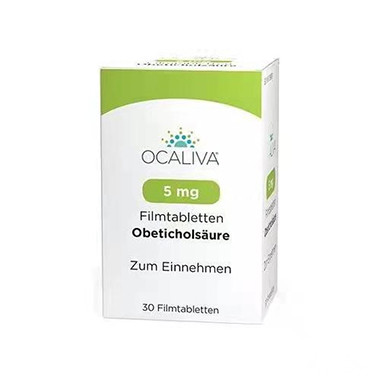
Obeticholic(奥贝胆酸)进有没有进医保,Obeticholic(Obeticholic acid)未纳入医保。根据国家医保局相关信息,未查询到该药品被纳入医保。
Obeticholic Acid (奥贝胆酸): Is it Covered by Medical Insurance?
Title Summary:
Obeticholic Acid (奥贝胆酸), used in the treatment of primary biliary cholangitis, is subject to a discussion on whether it is covered by medical insurance. Let's explore the nuances surrounding this topic to determine the status of Obeticholic Acid in relation to insurance coverage.
1. Introduction
Obeticholic Acid (奥贝胆酸), a synthetic bile acid, has shown promising results in the treatment of primary biliary cholangitis (PBC), a chronic liver disease characterized by the destruction of bile ducts in the liver. As medical expenses can be a significant burden for patients, the accessibility and insurance coverage of Obeticholic Acid have become important considerations for those suffering from PBC. This article aims to provide clarity on whether Obeticholic Acid is covered by medical insurance.
2. Understanding Obeticholic Acid
Obeticholic Acid is an oral medication that works by targeting specific receptors in the liver and intestines. It helps regulate bile acid levels and reduce inflammation in the liver, thus slowing down the progression of PBC. Clinical trials have demonstrated its effectiveness in improving liver function in patients with PBC.
3. Insurance Coverage Criteria
Insurance coverage for medications varies based on factors such as regional policies, healthcare regulations, and specific insurance plans. To determine whether Obeticholic Acid is covered, it is essential to consider the following criteria:
a. Approval by Regulatory Authorities: Obeticholic Acid must receive necessary approvals from local regulatory authorities, such as the Food and Drug Administration (FDA) in the United States, for it to be considered for insurance coverage. The drug's approval status is a crucial factor in determining its inclusion in insurance formularies.
b. Inclusion in Insurance Formularies: Insurance companies maintain a list of covered medications known as formularies. These formularies include drugs that receive insurance coverage and specify the requirements for eligibility. The inclusion of Obeticholic Acid in an insurance company's formulary increases the likelihood of coverage, provided other criteria are met.
c. Medical Necessity: Insurance coverage for Obeticholic Acid often requires a demonstration of medical necessity. This typically involves providing documentation, such as test results and medical records, indicating that the patient's condition requires the specific medication for effective treatment.
4. Current Status of Insurance Coverage
As of the writing date of this article, the insurance coverage status of Obeticholic Acid varies depending on the specific insurance plan and regional regulations. In some cases, it may be covered by insurance, while other plans may not include it in their formularies or require additional authorization.
To determine the exact coverage status of Obeticholic Acid, individuals are advised to contact their insurance providers and review the specific terms and conditions of their insurance plans. Insurance representatives can provide accurate information regarding the coverage availability and any steps required for approval or reimbursement.
Conclusion
The coverage of Obeticholic Acid (奥贝胆酸) under medical insurance depends on various factors, including regional policies, insurance plans, and individual circumstances. While some insurance plans may cover Obeticholic Acid, others may require additional steps or documentation to demonstrate medical necessity. Patients with PBC seeking insurance coverage for Obeticholic Acid should consult with their healthcare providers and insurance carriers for up-to-date information regarding coverage and reimbursement options.